Brand Perception: How to Measure It and Influence What People Think of You
In January 2009, Tropicana replaced the packaging of its Pure Premium orange juice with a more minimalist carton. About two months later, the product’s sales had dropped by 20%, and the brand announced it would bring back its old packaging. The juice was the same. What had changed was what people recognized on the shelf.
That story is a reminder of something leadership teams easily forget. Your brand also lives in people’s heads, in the form of impressions, memories and things a colleague said. All of that is your brand perception, and it influences real business decisions, from the bid that gets chosen to the price that seems reasonable.
Many companies rely on gut feeling to assess it, based on feedback from their strongest business relationships. Yet it can be measured, and the results help you decide where to invest.
What Is Brand Perception?
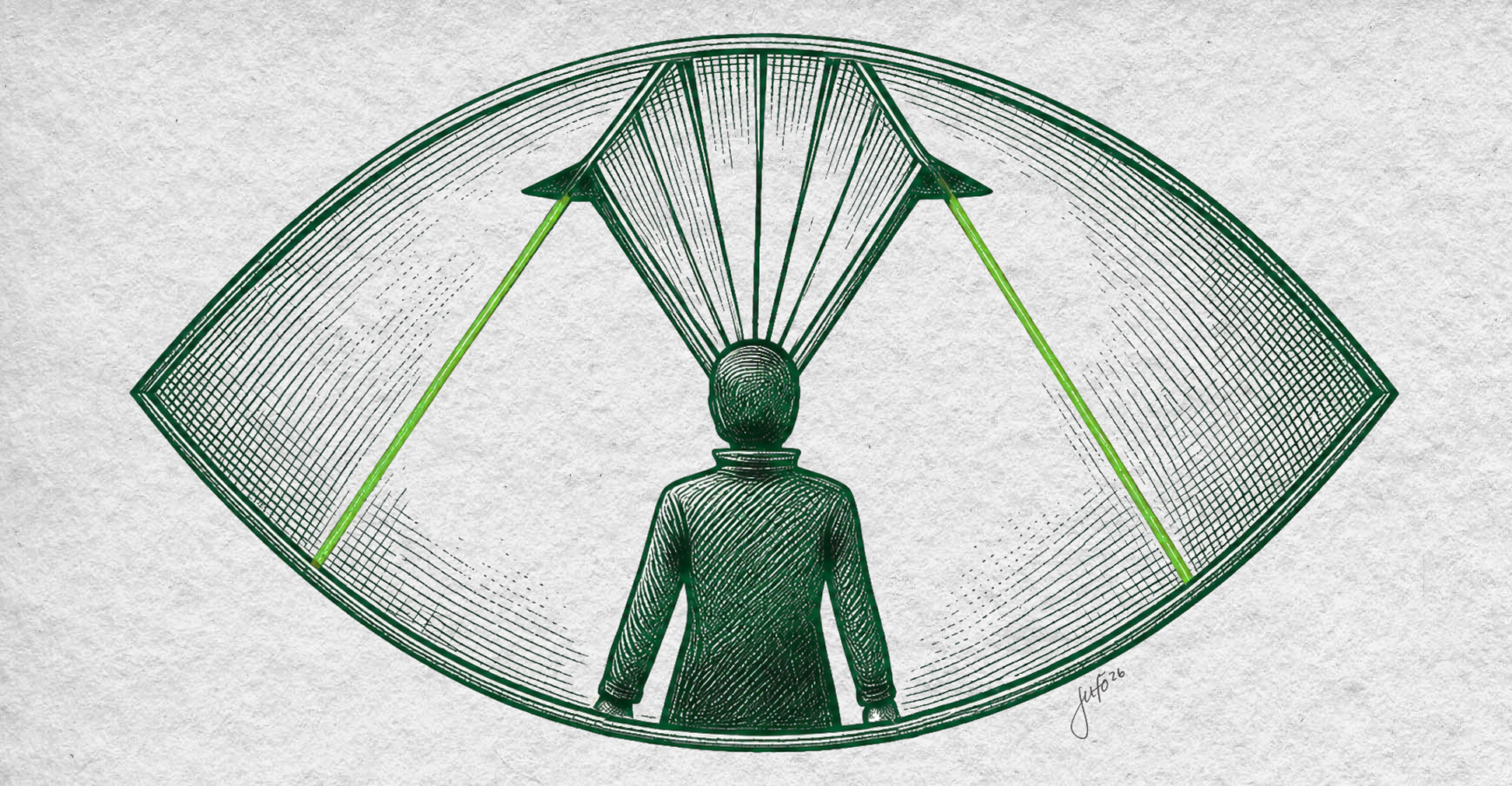
Brand perception is the set of ideas and associations a person attaches to an organization. Marketing researchers have long studied this concept. Kevin Lane Keller describes brand image as the perceptions reflected in the associations customers hold in memory. Jean-Noël Kapferer, for his part, distinguishes identity, on the sending side, from image, on the receiving side.
That distinction is very practical for leadership teams. Identity gets decided in a meeting room, while perception gets observed outside it. The difference between the two is called a perception gap. Work on your brand’s internal consistency is the subject of our article on why brand image alone falls short.
The Three Sources That Shape Your Brand Perception
Perception draws on three sources, and you don’t have the same control over each one.
- What you say. Your website, campaigns, presentations and bids. This is the source you control best, and people read it with caution, since they know you are talking about yourself.
- What people experience. A deadline met, a clear invoice, a problem solved well or a forgotten follow-up. These moments come from direct experience, and no advertising can replace them.
- What others say about you. A referral, an article, an online comment or a discussion among people in the same industry. You can only influence it indirectly, and it counts for a lot. In Nielsen’s study on trust in advertising, conducted in 2021 among 40,000 people, 88% of respondents said they trust recommendations from people they know the most.
That is why a new campaign rarely changes an opinion on its own. It acts on the first source, while perception also rests on the other two.
How to Measure Brand Perception
Measuring perception means documenting what your audiences think of your brand. By asking your team the same questions, you can then see where the answers differ. Research published in the Journal of Product & Brand Management even proposes a way to quantify the gap between communicated identity and perceived image.
What to Measure
A general question like “do you like our brand?” won’t teach you much. Focus on five distinct dimensions instead.
- Awareness. Do people know your name, and do they mention it unprompted?
- Associations. Which words come to mind spontaneously?
- Perceived quality. How do they rate what you offer against other options?
- Preference. Would they choose you, and why?
- Recommendation. Would they recommend you to someone in their professional network?
Who to Ask
Survey leadership, your team, your current customers and people who haven’t chosen you yet, keeping each group separate. That last group is the hardest to reach, but it can tell you why your name wasn’t picked. Depending on your situation, you can add partners, distributors or the people you would like to recruit.
Which Methods to Use
For an initial assessment, a few interviews and a simple exercise can be enough. Ask each person to describe your company in three words, then compare the lists. Next, add what you already have, such as online reviews, reasons for lost deals noted by your sales team, media mentions and the search terms that lead to your website.
Before a redesign, a repositioning or a major investment, a well-designed survey, with a sample suited to your audiences, can put numbers on these findings. A poorly worded question steers the answer, and it is sometimes easier to open up to a third party than to the company being assessed. That is why, at Possible, the perception survey is conducted with a specialized polling firm. We then bring together members of the organization and representatives of its audiences to discuss it, which is the starting point of our approach.
How to Read the Results: 4 Types of Perception Gap
A score doesn’t tell you what to do. To decide, you first need to name the type of gap in front of you, because each one calls for a different response.
The Awareness Gap
People don’t know you well enough to have an opinion. Results are good among your customers, but most people surveyed outside that circle never mention you. Rewriting your message won’t be enough. What needs work is your presence, in the places where your market gets its information.
The Understanding Gap
People know your name, but they have a vague or outdated idea of what you do. Imagine a nonprofit that has broadened its mission over the past ten years while the public still links it to its very first program. The answer lies in clearer words, a better organized offering and concrete examples.
The Value Gap
People understand what you do and like you, but they don’t see the value you want them to see. Imagine a manufacturer that invests in research and whose partners mostly see it as an affordable option. It needs proof, such as results, case studies and honest comparisons, rather than bold claims.
The Experience Gap
The message attracts people, then the experience disappoints them. Domino’s offers a well-known example. In December 2009, the chain launched a campaign that showed what people were saying about its pizza, including comparisons to cardboard, and announced a new recipe. In 2010, its U.S. same-store sales rose 9.9%. A rise like that likely has several causes, but the campaign rested on a real product change. This type of gap gets fixed first in how you operate.
Measuring perception can also reveal unexpected strengths. Your audience may recognize a strength you take for granted and never talk about. You can then build on a quality people already attribute to you.
How to Change Your Brand Perception Over Time
Once you’ve identified the gap, three decisions move things forward.
The first is to set priorities. Your results may reveal several gaps, and they don’t all cost the same. Start with the one that most affects your sales, your prices or your recruiting, and write down in a few sentences the perception you are aiming for with that audience.
The second concerns the order of your actions. First fix what people experience, then gather the proof, then adjust what you say and what people see, from your bids to your visual identity. This order keeps you from promising what the experience doesn’t yet confirm. That logic guides the work we do to align how your brand is perceived with how you want it to be seen. When comparing firms, ask an agency that measures perception where it would start with you.
The third takes patience. An established opinion changes slowly, and this work happens over time. Our partnership with Les Sommets has led to a very positive brand perception and an increase in direct ticket sales. Ask the same questions at regular intervals, with the same audiences, to see what is really shifting.
How Brand Perception Affects the Value of Your Business
As the Tropicana example shows, what people think of a brand translates into sales. These effects can also influence how a potential partner or buyer values your business. Perception is the starting point, though it isn’t the same thing as a dollar figure. To explore that question, our article on the brand value of an SMB offers a few places to start.
Frequently Asked Questions About Brand Perception
What is the difference between brand identity and brand perception?
Brand identity is what a company chooses to project, including its name, tone and visual elements. Brand perception is what people take away from it, based on what they see, experience and hear. The first is decided, while the second is observed and influenced.
What is the difference between brand awareness and brand perception?
Awareness tells you whether people know your brand. Perception tells you what they think of it. A brand can be very well known and poorly perceived, or highly regarded by a small number of people, and those two situations don’t call for the same actions.
When should you measure brand perception?
The best time is before a major change, such as introducing a new brand identity, repositioning your brand, entering a new market or preparing to sell the business. You then repeat the same questions at regular intervals, because comparing results over time is what shows whether perception is changing.
Can an SMB measure its brand perception on a small budget?
Yes, for an initial assessment. A few interviews, the three-word exercise and a read through your reviews already give you some clues. A survey becomes the better choice when a costly decision depends on the results.
Is a new visual identity enough to change how a brand is perceived?
Rarely on its own. A new identity can signal a change and draw attention, but perception also follows what people experience afterward. Changing your visual identity can also carry risks, as the Tropicana case shows, if people no longer recognize the brand they were attached to.
Sources
- Keller, K. L. (1993). Conceptualizing, Measuring, and Managing Customer-Based Brand Equity, Journal of Marketing, vol. 57, no. 1.
- Kapferer, J.-N., distinction between identity and image, summarized in this article on the Kapferer prism (in French).
- Identification and measurement of brand identity and image gap: a quantitative approach, Journal of Product & Brand Management, vol. 23, no. 3.
- Tropicana, The Branding Journal.
- Domino’s, Time.
- Nielsen, Trust in Advertising 2021.


